.webp)

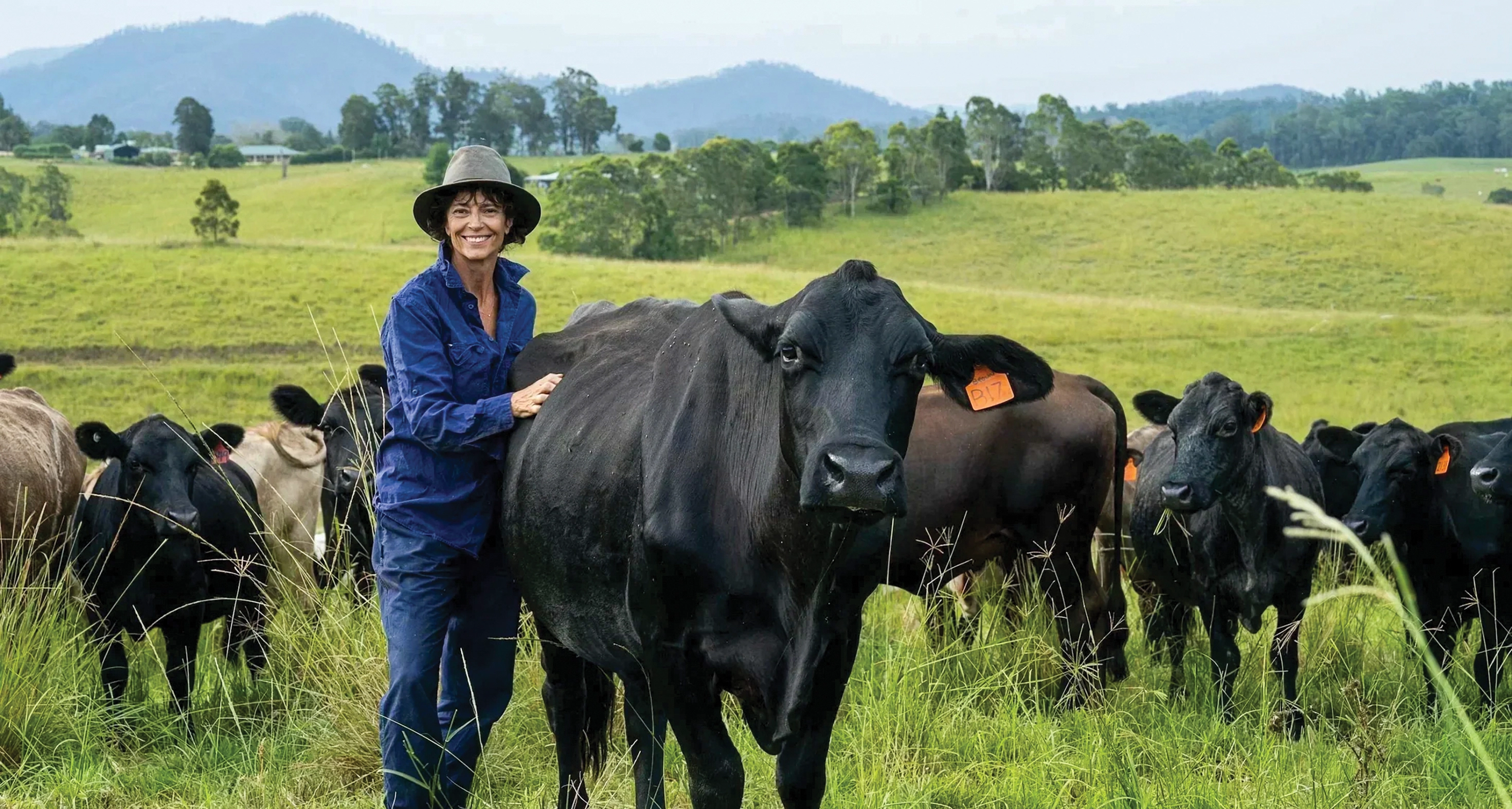
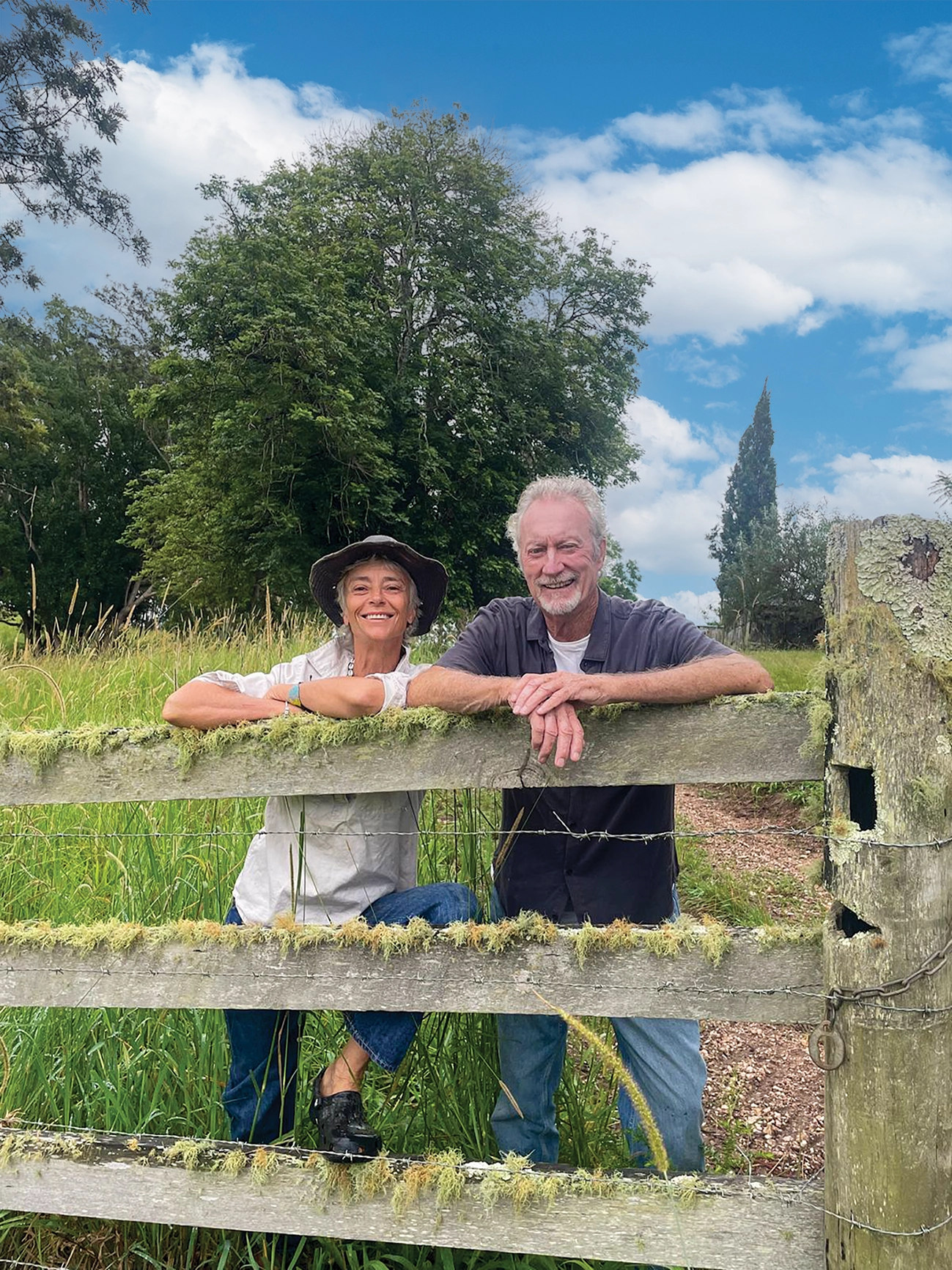
Rachel Ward does not romanticise farming. By the time she gets home most afternoons, she is filthy. Mud on boots, dust in her hair, sweat, manure, the lot. Somewhere between electric fences, soil repair and five-volt shocks, she found something far more grounding than a film set, and it is now reshaping how food reaches The Beaches.
"Regenerative farming isn't a marketing term for me. I'm still in repair mode." Rachel Ward
Soil First
Rachel has owned the farm for years, but it was five years ago that she committed fully to regenerative management. Even now, she describes the work as "repair mode".
"We have been destructive with our soils since colonisation. Over-tilling, over-grazing, overuse of biocides and chemical fertilisers."
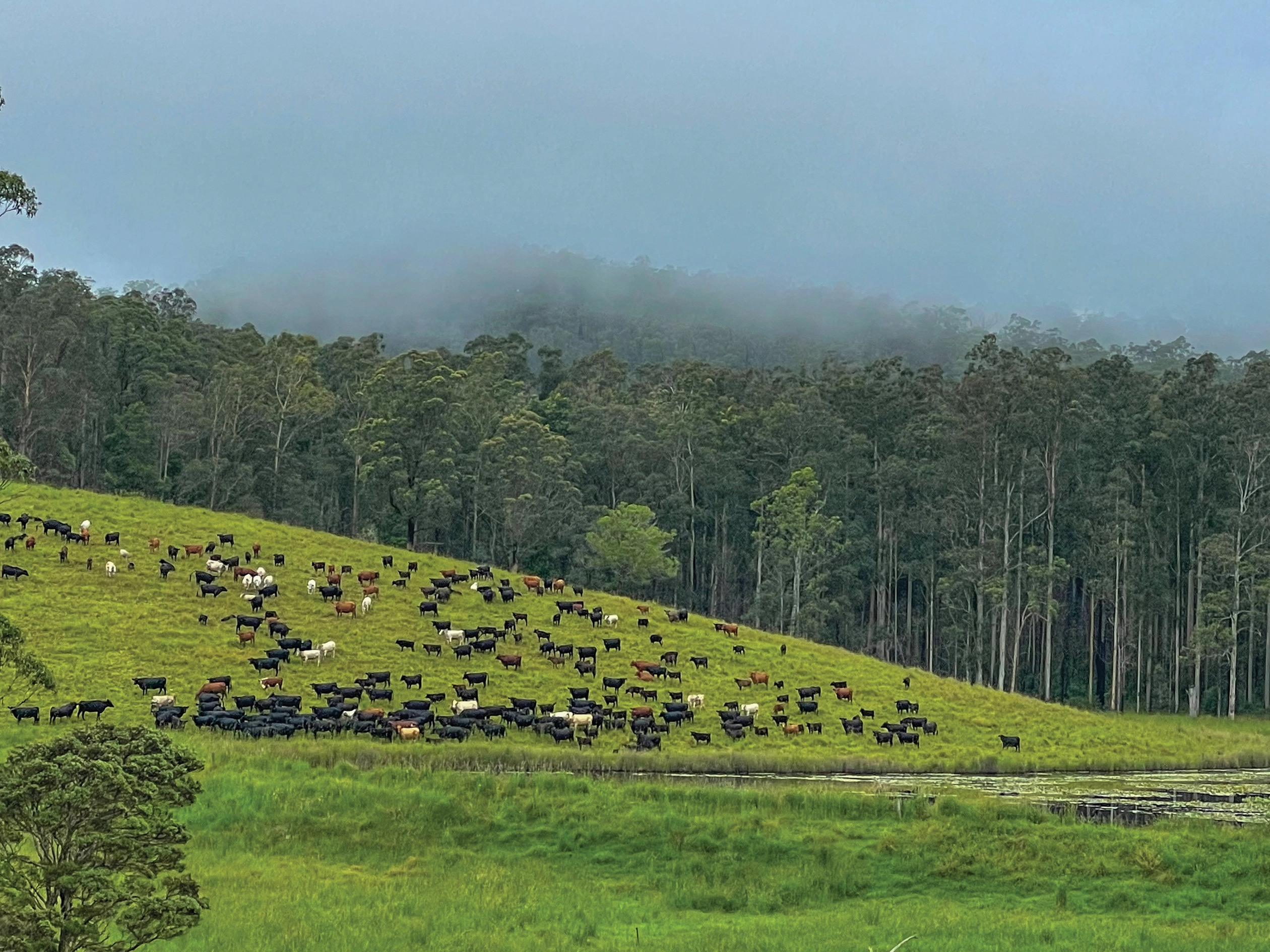
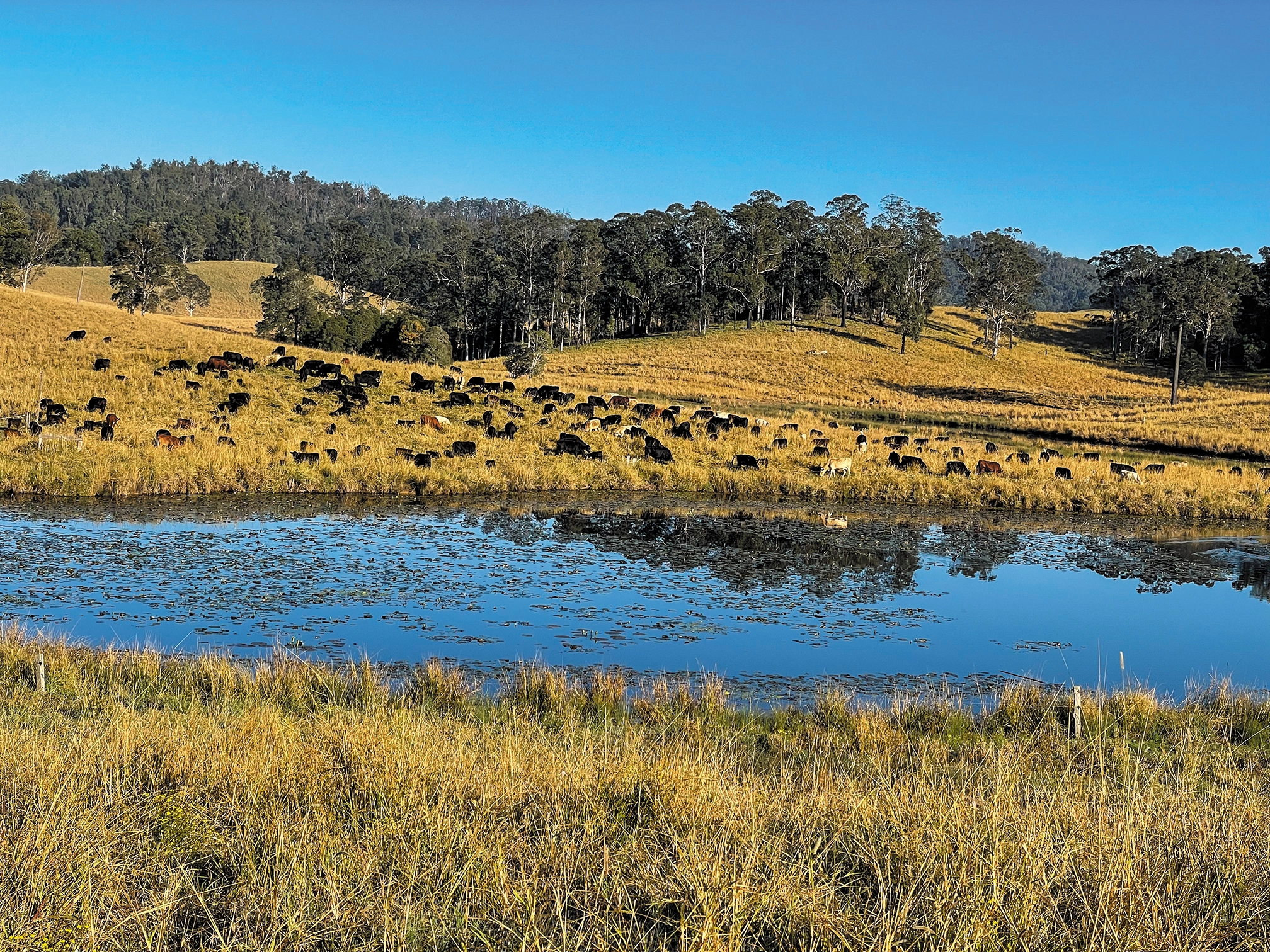
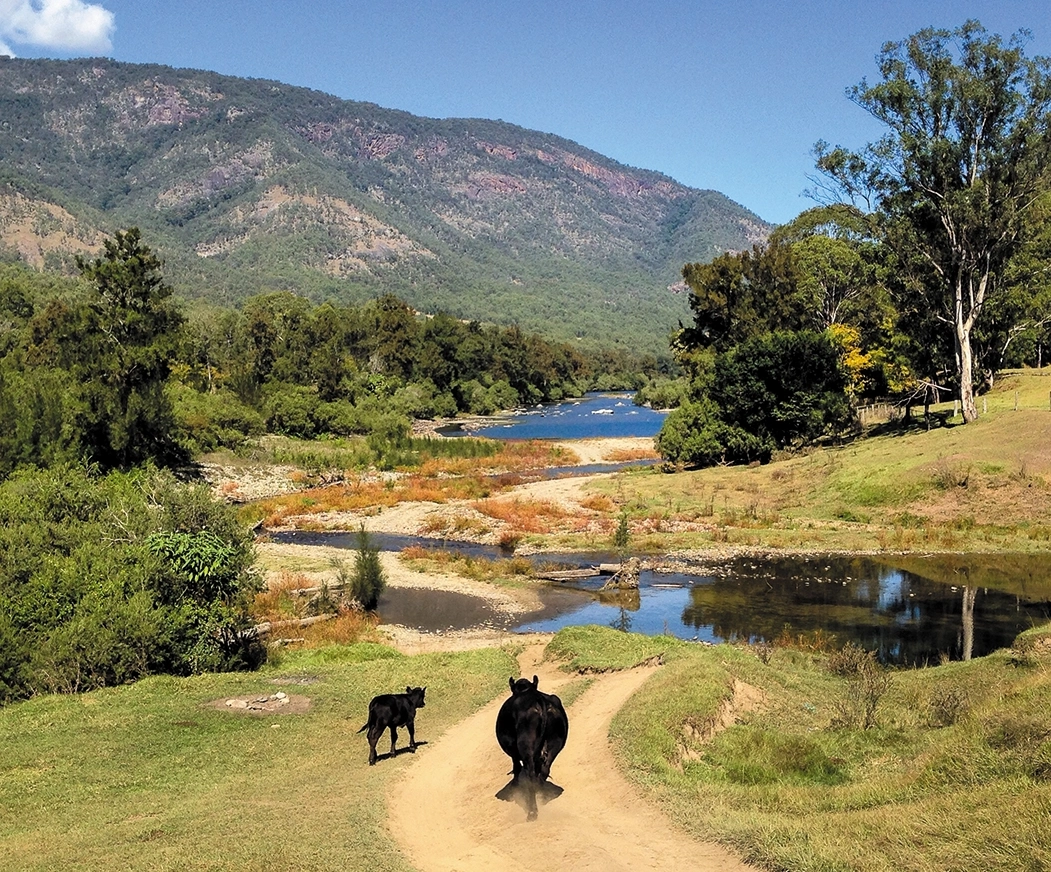
Regenerative agriculture on her farm is not a label but a discipline. The goal is simple: optimise soil health. That means timed grazing, moving livestock paddock to paddock before pasture is overgrazed, ensuring soil remains covered and protected from erosion, allowing roots to retain moisture when rain falls and grass to recover before animals return. There is no tilling, no biocides, and biological fertilisers replace chemical inputs.
"And the massive benefit," she adds, "is pulling carbon from the atmosphere by keeping pasture always in a state of growth."
Animals are central to that system. "They behave like moveable composters. They turn indigestible carbohydrates into protein for us."
In gratitude, she believes it is incumbent on the manager to ensure animals are given the best possible life before it is sacrificed for ours: clean water, shade, quality grass, good stock handling and the least stressful marketing process possible. On her farm, cattle are not sent through highly stressful saleyards. The process is designed to be calm and contained.
The Learning Curve
"The learning curve was enormous," Rachel says. "I knew nothing."
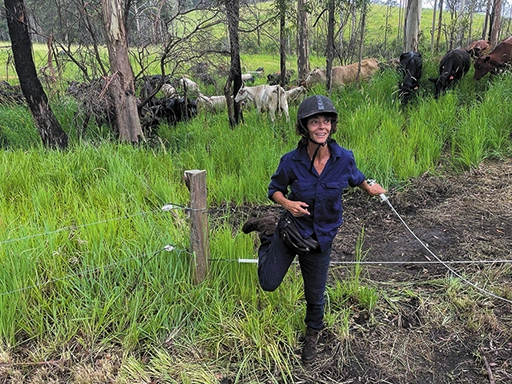
Taking full responsibility after letting managers go felt overwhelming. Mistakes were costly, but rarely catastrophic. Electric fences became a daily adversary. "Getting a five-volt shock was a daily occurrence." Now Rachel can trace faults and regulate voltage with confidence. She administers injections without hesitation. She drives a tractor capably, although she recently lost a door after sideswiping a fence post when the air-conditioning failed and she drove with it open.
"Animals are so smart. They know exactly when you've been slack."
The lesson has been simple: shortcuts create more work later. Fencing and water must always be double-checked.
The Jump
It did not begin as a business plan. It began as discomfort. When Rachel's entertainment career began winding down, she found herself standing in unfamiliar territory.
"Changing careers is scary," she says. "I probably resisted for too long."
Then came the 2019 bushfires. And, like so many Australians, she watched the sky turn strange and the air thicken with smoke. "I felt very ineffectual and powerless." Small gestures suddenly felt inadequate.
Reading Call of the Reed Warbler by Charles Massy reframed everything. Farming, she realised, was not peripheral to climate responsibility, it was central to it. Soil was not a backdrop to food production, it was the foundation.
"I finally held my nose and jumped in, hoping at least to turn my little farm around."
Taste the Difference
Alongside soil and stock, something else shifted: her palate.
"I was shocked by how much I'd forgotten how rich and authentically meaty grass-fed, grass-finished meat was."
Now she says she cannot eat a restaurant steak. "They are mostly pale, tasteless grain-fed produce." The difference is not cosmetic, it is structural. Animals raised on healthy pasture produce meat with depth of flavour and nutritional density that feedlot systems cannot replicate.
Her favourite meal is a rare T-bone. "You can taste, like a wine, the vigneron of the mid north coast. It has an earthy, dark flavour." She loves osso bucco or oxtail slow-cooked with bay leaf and carrots, cooks with secondary cuts, makes bone broth and enriches mince and sausages with liver.
"It just tastes like real sustenance."

The 15 Percent Problem
Once her farm system began to stabilise, she turned her attention to the broader food market.
"I questioned why the farmer was only getting about 15 percent of the price when we were doing all the work."
Retailers and shareholders absorbed the majority, while small family farms carried responsibility for land health and long-term sustainability. The imbalance felt unsustainable.
"The average age of farmers is around 60. The young are leaving the land because they have more financial opportunity in the city."
Land prices make entry difficult. If small family farms disappear, she argues, rural infrastructure disappears with them. Small towns hollow out. Farming becomes purely industrial and commodity-driven.
"There has to be a crisis on the way unless we can give the farmer a better cost percentage."
From Farm to Family
FarmThru emerged from that reckoning. It is not positioned as a luxury niche brand, but as a correction. Direct-from-farmer ordering. Transparent sourcing. A greater proportion of the price returning to producers.
Customers order online and collect from neighbourhood hubs, including the Brookvale pilot hub now serving the Beaches. The model reduces layers between farmer and family and reconnects urban consumers to something country communities have long taken for granted: relationship.
"It's become a catchcry to say 'know your farmer', but how can you if you're an urban dweller?"
FarmThru offers not just produce, but the farmer's story and values, allowing consumers to align their palate with their principles.
A Movement, Not a Moment
Rachel sees it as something more than a retail platform.
"It's a movement. A movement back to simpler, more authentic choices."
When land is exploited, nutrients and flavour decline. When soil health is prioritised, that translates into healthier animals and ultimately healthier eaters. People are searching for less processed, more authentic, real food.
The Brookvale hub is the beginning. If the model grows, she hopes more regenerative and organic farmers near metropolitan centres will see a viable pathway, a market that rewards stewardship as much as scale.
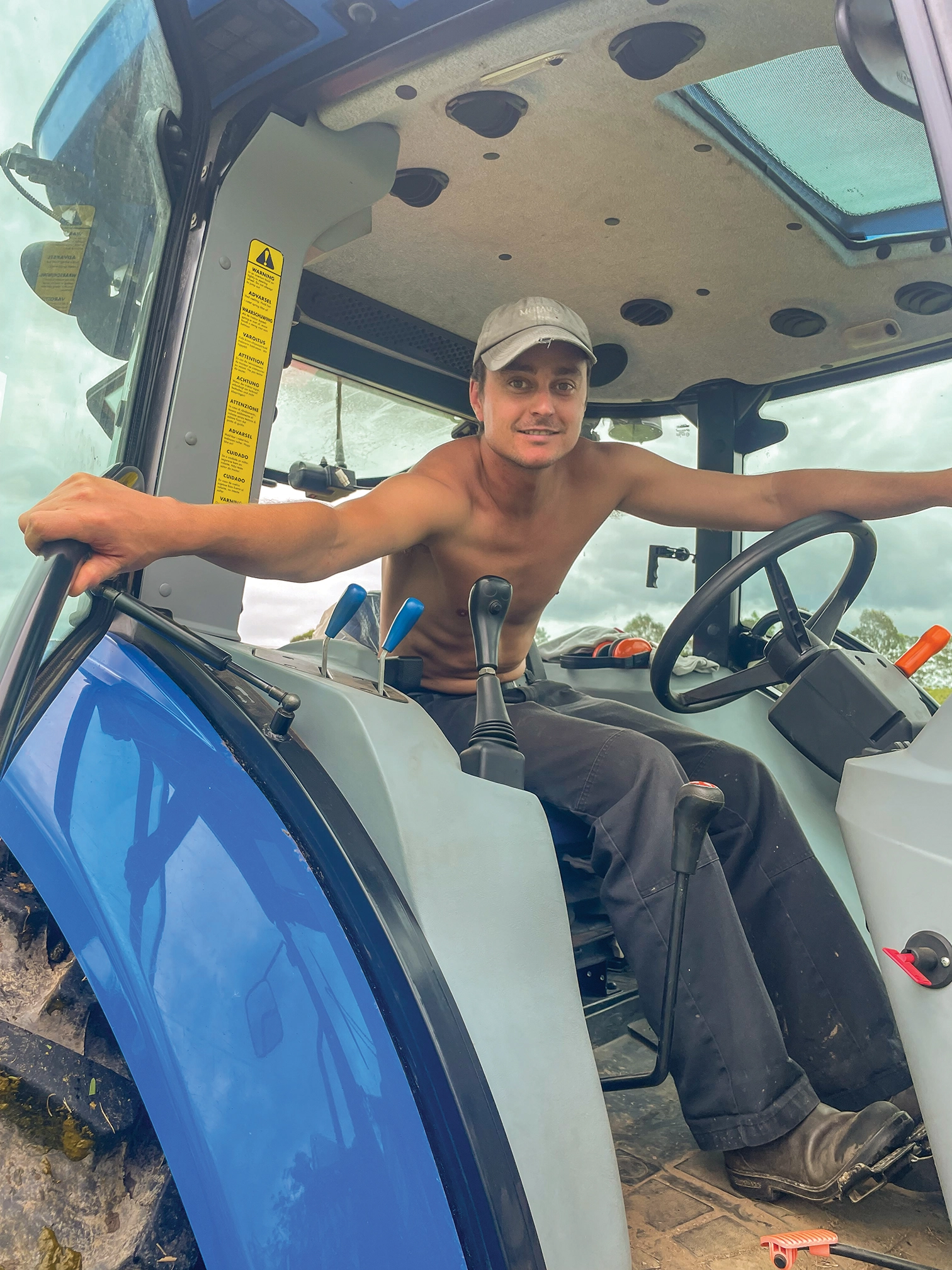
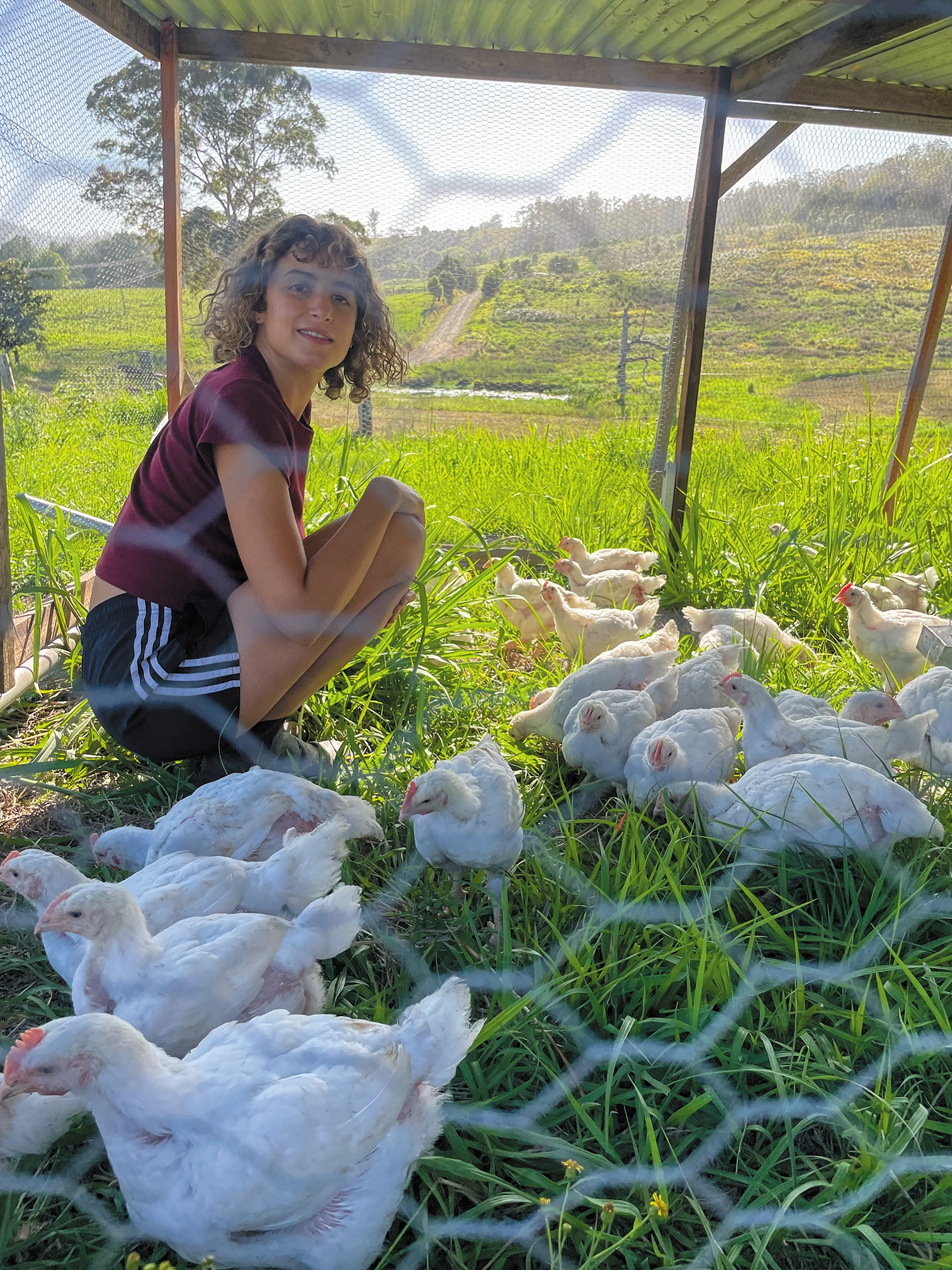
There is pride in her voice when she speaks about the farm's newest addition, her son. "My greatest achievement is that my son has joined me," says Rachel. "He loves the physicality, the fencing, the problem-solving. He raises regenerative chickens sold through FarmThru and now speaks at conferences. He trumps me in everything."
For Rachel Ward, this is not reinvention for novelty's sake. It is restoration, of soil, of economic fairness, of dignity in farming and of the distance between farmer and family. At the end of the day, it returns to the table. A rare steak. Slow-cooked oxtail. Food that tastes of place.
"This is what food is supposed to taste like." And perhaps, in that insistence, lies the reset.
Reset the way you shop. Reset who profits from your food. Reset your connection to the land.
FarmThru is now operating from its Brookvale hub, connecting Northern Beaches families directly with regenerative farmers. Order online at farmthru.com.au, collect locally during designated windows or enjoy delivery across Sydney and the Northern Beaches, and support a food system that values soil, animals and farmers equally.
Reset Your Food
The Brookvale hub is where soil-first farming meets your family table.
Now Delivering across Sydney and the Northern Beaches
• 100% grass-fed beef and pasture-raised meats
• Clean, traceable dairy and free-range eggs
• Thoughtfully selected pantry and bakery staples
Order online. Get it delivered or, collect locally.
Unit 23/10–18 Orchard Rd, Brookvale 2100 | 0468 043 423 | @farmthru_ | farmthru.com.au
Share this!